
.webp)


Salary sacrifice for public transport in Wellington: how it works with Snapper
If you commute to work in Wellington and your employer offers Extraordinary’s pre-tax public transport benefit, you can save $900+ a year on your Snapper top-ups.
.png)
If you commute to work in Wellington and your employer offers Extraordinary's pre-tax public transport benefit, you can save $900+ a year on your Snapper top-ups.
This is a new option in New Zealand became legally workable in May 2025, when Inland Revenue issued Product Ruling BR Prd 25/03 confirming the scheme qualifies for the public transport FBT exemption.
What you're actually agreeing to
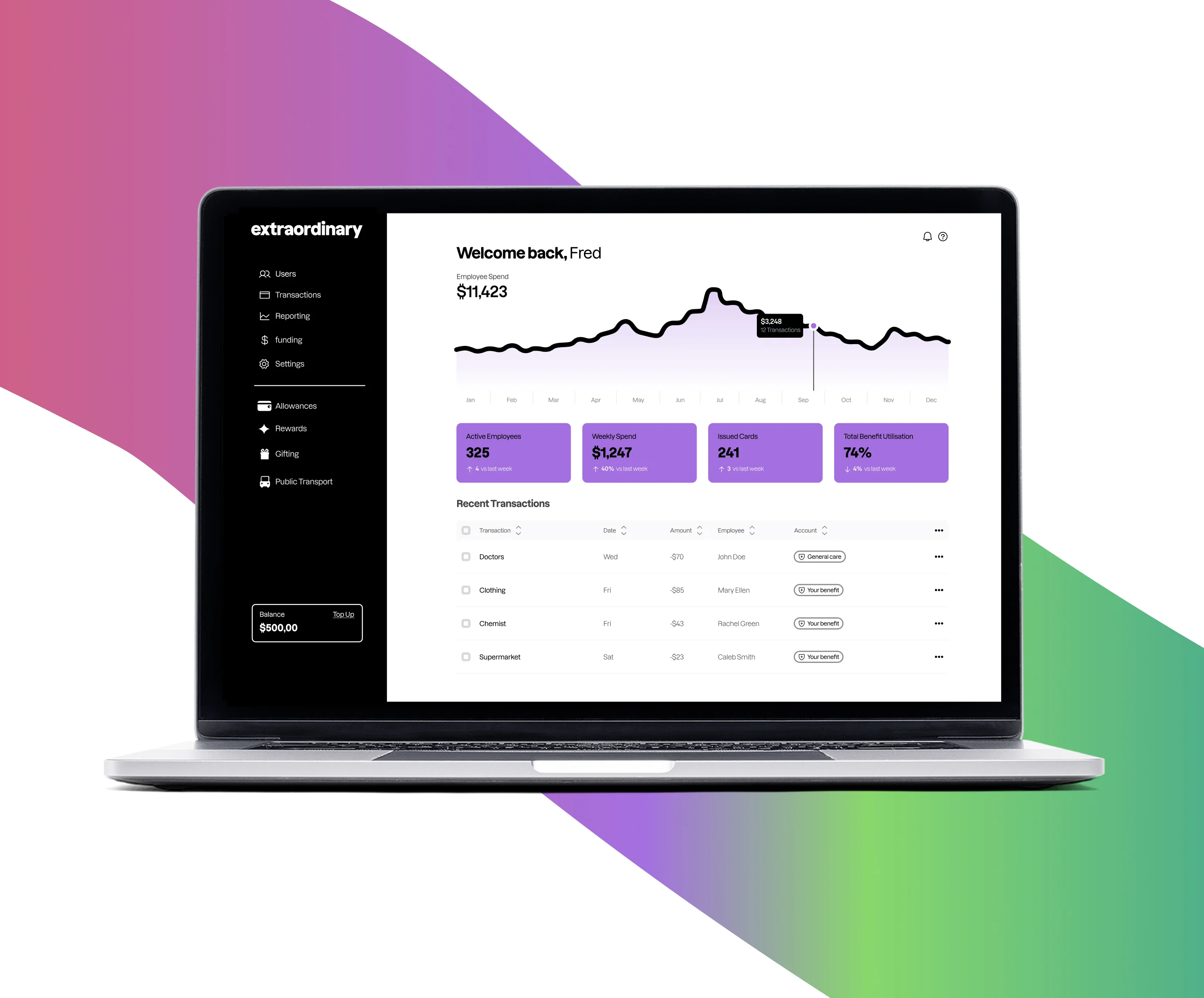
You agree to take a small reduction in your gross salary each pay cycle. That amount goes onto an Extraordinary Card in your phone wallet. You use the card to top up your Snapper card.
Because the reduction happens before tax is calculated, you pay less PAYE on that portion of your salary.
How much will you save?
It depends on your commute and your salary. Here are six common Wellington commute scenarios using current Adult Snapper peak fares from Metlink.
- Weekly fare: $112.80
- Annual pre-tax saving: $1,624
- Weekly fare: $107.00
- Annual pre-tax saving: $1,541
- Weekly fare: $89.50
- Annual pre-tax saving: $1,289
- Weekly fare: $62.00
- Annual pre-tax saving: $893
- Weekly fare: $50.80
- Annual pre-tax saving: $732
- Weekly fare: $45.30
- Annual pre-tax saving: $652
Based on $80,000 income (30% marginal rate), 5 days/week × 48 weeks. Indicative only; actual savings vary with your salary, KiwiSaver settings and any other income-based deductions.
Writing for Stuff Money, Enable Me's Katie Wesney, landed on the same range “For someone earning $60,000 who puts $50 a week into their Extraordinary account, the savings are over $900 a year, just by paying for the same commute from pre-tax income rather than take-home pay.”
Run the calculator for your exact numbers.
How it works in practice
Four steps:
- Your employer signs up with Extraordinary and configures the scheme in payroll.
- You opt in with a 12-month salary sacrifice agreement, specifying your weekly amount.
- Each pay cycle, your gross salary reduces by that amount, and the same amount loads onto your Extraordinary Card in your Apple or Google digital wallet.
- You use the card to top up your Snapper as usual in the Snapper app. You can also tag on with your Extraordinary card.
That's it. Your commute carries on exactly as it did before. The only difference is where the money for top-ups comes from.
What it covers
The Extraordinary Card works to top up four NZ transit cards:
- Snapper: buses, trains and ferries on the Metlink network in Wellington and some other regions
- AT HOP: if you also commute in Auckland
- Metrocard: Canterbury and Christchurch
- Bee Card: Waikato, Bay of Plenty, Hawke's Bay, Manawatu-Whanganui, Nelson, Tasman, Marlborough and West Coast
These are the four cards qualifyualify under BR Prd 25/03.
Motu Move, NZ Transport Agency's National Ticketing Solution, is rolling out across the country and will eventually replace these regional cards with a single contactless system. The Extraordinary scheme will adapt as Motu Move expands.
The Inland Revenue ruling covers public transport for commuting between home and work. Defined as 50% or more of card spend on commuting; the odd weekend bus ride won't break the scheme.
What's the catch?
Four things worth knowing before you sign.
Sacrificed amounts are non-refundable. If you don't spend the Extraordinary Card balance during the agreement, it returns to your employer at the end, not back to you. Set your sacrifice amount based on what you actually spend.
KiwiSaver contributions are slightly lower. Both your contribution and your employer match calculate off the reduced salary. The maths still favours the salary sacrifice for most earners, but if you're optimising KiwiSaver for First Home Buyer Withdrawal, model your numbers first.
12-month commitment, with an exit clause. You can exit early with one week's notice, but can't re-enter the scheme for 12 months from your initial entry date.
Working for Families. If you receive WfF tax credits, the salary reduction can affect your entitlement. Model your position before opting in.
Common questions
Will a pay rise during the scheme change things?
No. Your sacrifice amount is fixed for the 12-month term. A pay rise lifts your gross salary, but the sacrifice continues to come out of the post-rise gross.
What if I leave my job?
The sacrifice agreement terminates with employment. Any unspent balance on the card goes back to your former employer.
What about parental leave or other unpaid leave?
The sacrifice pauses during unpaid leave (Inland Revenue requires this). The 12-month period extends by the length of the leave. Paid annual leave doesn't trigger a pause.
Can I use it for ferries?
Yes, where ferries are on the Metlink network. East by West to Days Bay and the regular harbour ferries all qualify.
What if my commute changes mid-term?
You can adjust your weekly sacrifice amount through your employer's payroll. The 12-month commitment is to the scheme, not to a specific amount.
How to get started
If your employer already offers Extraordinary Pay, ask your HR or People team about opting in.
If they don't offer it yet, you can refer them directly at extraordinarypay.com/public-transport-employee. It takes two minutes, you can stay anonymous, and we’ll send your employer a professional email with The inland Revenue ruling and cost breakdown. Over 1,000 employees referred their employer last quarter. Most live within two pay cycles.
References
- Inland Revenue, Product Ruling BR Prd 25/03 (issued 16 May 2025)
- BusinessDesk, "Extraordinary unlocks pre-tax public transport perks for workers" (15 June 2025)
- Stuff Money, "The pay rise you didn't know you already had" by Katie Wesney (12 May 2026)
- Extraordinary public transport savings calculator (Deloitte-prepared tax model)
Related Resources

FBT on Christmas gifts
Gifting meets FBT. The integration you need.